
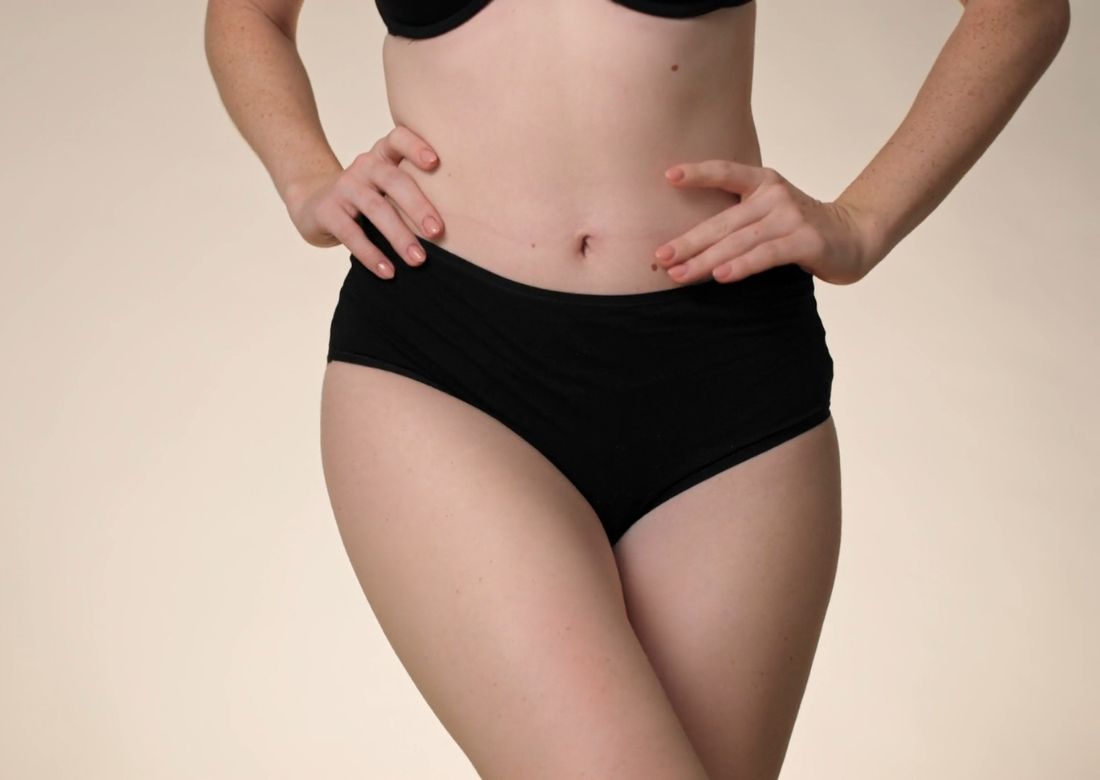
An allergic reaction to underwear is not immediately recognized by many people because the symptoms are often misinterpreted as simple irritation or a temporary imbalance of the skin.
When the symptoms repeat, worsen or do not disappear even after changing hygiene habits, it is very likely that it is precisely an allergic reaction to underwear.
This problem affects both women and men of all ages, and the causes can be different, from materials and colors, to detergent residues and the way the fabric is manufactured.
Differentiating simple irritation from a true allergic reaction to underwear is key to proper treatment and preventing the problem from recurring.
Below is a step-by-step guide to help you recognize the symptoms, discover the causes, understand the risks, and learn what to do.
Contents
The most common symptoms that indicate an allergic reaction to underwear
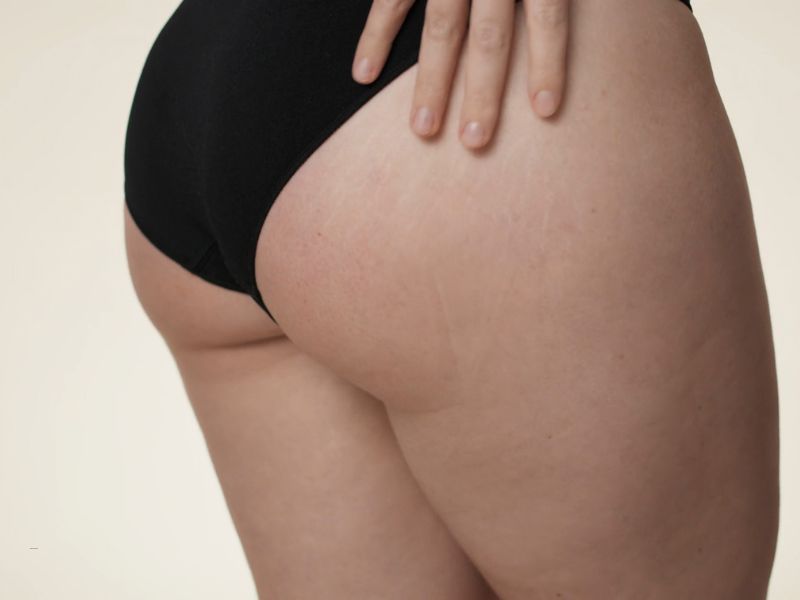
Symptoms of an allergic reaction to underwear most often appear on the skin of the intimate region, groin, buttocks and inner thighs.
Common symptoms are redness that persists for more than a few hours, severe itching that intensifies when wearing underwear, small rashes, pimples or blisters, a burning sensation and tightening of the skin, as well as increased dryness or flaking. Some people also experience swelling, and in more severe cases, sores caused by scratching may also appear.
It is important to emphasize that an allergic reaction to underwear is often characterized by a cyclic occurrence, the symptoms disappear when the underwear is removed, and reappear after wearing the same or similar material.
For this reason, more and more people who have this problem switch to bamboo underwear, because it has been shown to reduce, and in some cases it does not even cause repeated irritations compared to classic materials.
The main causes of an allergic reaction to underwear
Allergic reactions to underwear are most often caused by chemicals used in the production process of the fabric.
These include aggressive dyes, fiber softeners, synthetic coatings, as well as formaldehyde used to prevent fabric from creasing.
Synthetic materials such as polyester, nylon and elastane often retain moisture and heat, which creates an ideal environment for bacterial growth, irritation and worsening of allergic reactions.
The review The Role of Textiles in Dermatitis: An Update states that fabrics often play a key role in causing or exacerbating skin problems, particularly that synthetic fibers and wool can worsen symptoms, while natural fibers (such as cotton) are more often recommended for people with sensitive skin.
These materials have lower air permeability, so the skin has a harder time “breathing”, which further increases the risk.
A special problem is the residue of detergents and softeners that remain trapped in the fibers.
In people with sensitive skin, even small amounts of these substances can cause an allergic reaction to underwear.
In recent years, more and more people are talking about the fact that natural fabrics, among which bamboo stands out as a material, show a significantly lower possibility of causing irritation, due to the absence of aggressive chemicals and the natural structure of the fibers.
The difference between an irritation and a true allergy
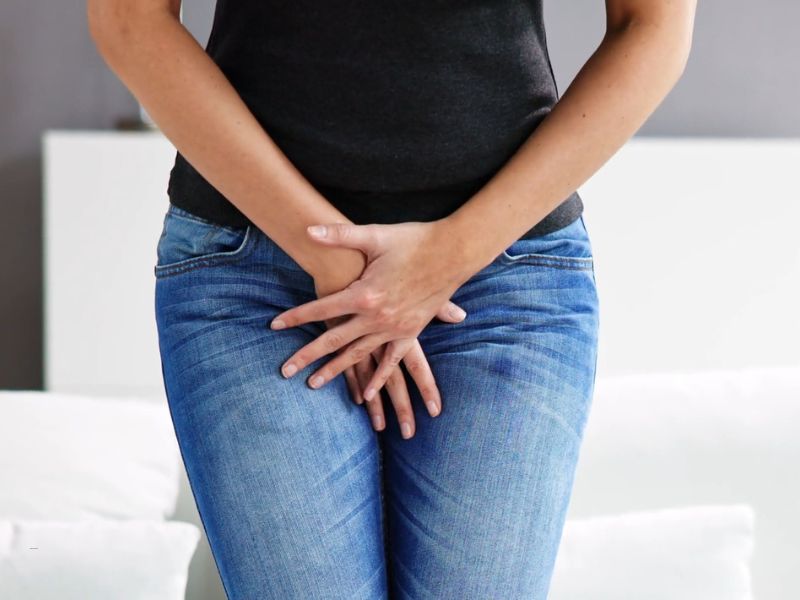
It is important to distinguish mechanical irritation from a true allergic reaction to underwear. The irritation is most often due to sweating or a tight fit, and it usually goes away within a short time after taking off the clothes.
An allergic reaction to underwear is characterized by a reaction of the immune system to a certain substance, color, fiber or chemical residue. In this case, the symptoms last longer, often worsen and recur with each contact with the same material.
If the changes on the skin do not pass for more than 48 hours, if they spread or become painful, there is a high probability that it is not an ordinary irritation, but an allergic reaction to the underwear.
How to confirm that it is an allergic reaction to underwear
If you suspect an allergic reaction, the first step is to keep a simple record. Write down when the symptoms appear, what clothes you are wearing, what material they are made of, and whether they are new or used several times.
Dermatologists often use patch tests to find out exactly which substance you are reacting to. These tests allow precise determination of allergens, whether it is paint, rubber, latex or some chemical compound from textiles.
Regardless of the tests, if the symptoms subside after changing the underwear and do not return, this is confirmation that it was an allergic reaction to the underwear.
What to do immediately when an allergic reaction to underwear occurs

When an allergic reaction to underwear occurs, the first and most important measure is to stop wearing the problematic underwear immediately.
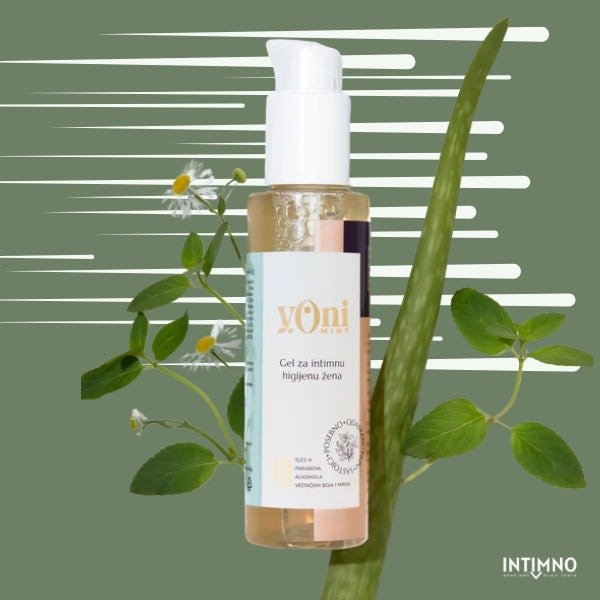
The skin should be washed with a mild shower gel, our recommendation is Yoni Mint gel because it provides natural protection every day, provides immediate refreshment and soothing of the skin after an allergic reaction and irritation, without unpleasant odors, and it is also completely safe for everyday use.
In milder cases, a neutral protective cream without corticosteroids can help, while in the case of stronger reactions, consultation with a doctor who can prescribe the appropriate therapy is recommended.
Self-initiated use of strong preparations is never advised, as this can further damage the skin.
It is important to immediately change washing habits around the intimate region, as well as washing underwear, use hypoallergenic detergents, avoid fabric softeners and make sure to rinse the clothes well.
The role of materials in the prevention of allergic reactions
The material from which the underwear is made plays a key role in whether there will be an allergic reaction to the underwear. Synthetic materials often make the condition worse because they trap moisture and increase friction.
Natural fibers generally have less potential to cause allergies, but they are not always without risk if they are treated with aggressive dyes.
Therefore, in practice, more and more attention is paid to bamboo fibers, because they are natural, hypoallergenic and allow the skin to breathe, thus reducing the risk of allergic reactions and maintaining optimal comfort throughout the day.
In the study The prevalence and relevance of patch testing with textile dyes, researchers tested 209 people with suspected allergy to dyes in underwear and found that about 25.8% of the subjects reacted positively to at least one color from the list, that is, a quarter of the subjects showed that they had some kind of sensitization.
Why an allergic reaction to underwear is often mistreated
Treatment of allergies requires a change of clothes and not the use of strong creams, powders and preparations
One of the biggest problems with an allergic reaction to underwear is that often only the symptoms are treated, not the cause.
In the study The prevalence and relevance of patch testing with textile dyes, researchers tested 209 people with suspected allergy to dyes in underwear and found that about 25.8% of the subjects reacted positively to at least one color from the list, that is, a quarter of the subjects showed that they had some kind of sensitization.
In this way, a vicious circle is created, the symptoms temporarily disappear, but soon reappear.
Real progress occurs only when the cause is permanently removed, that is, when the material, washing method and quality of the underwear itself are changed.
How to prevent an allergic reaction to underwear
Preventing an allergic reaction to underwear requires changing several daily habits.
It is important to pay attention to the composition of the material when purchasing.
The laundry should always be washed before the first wear to remove chemical residues from production.
It is recommended to wash at higher temperatures with an additional rinse, use mild detergents without fragrance and avoid fabric softeners.
It is best to dry the laundry in the air, without additional fragrances.
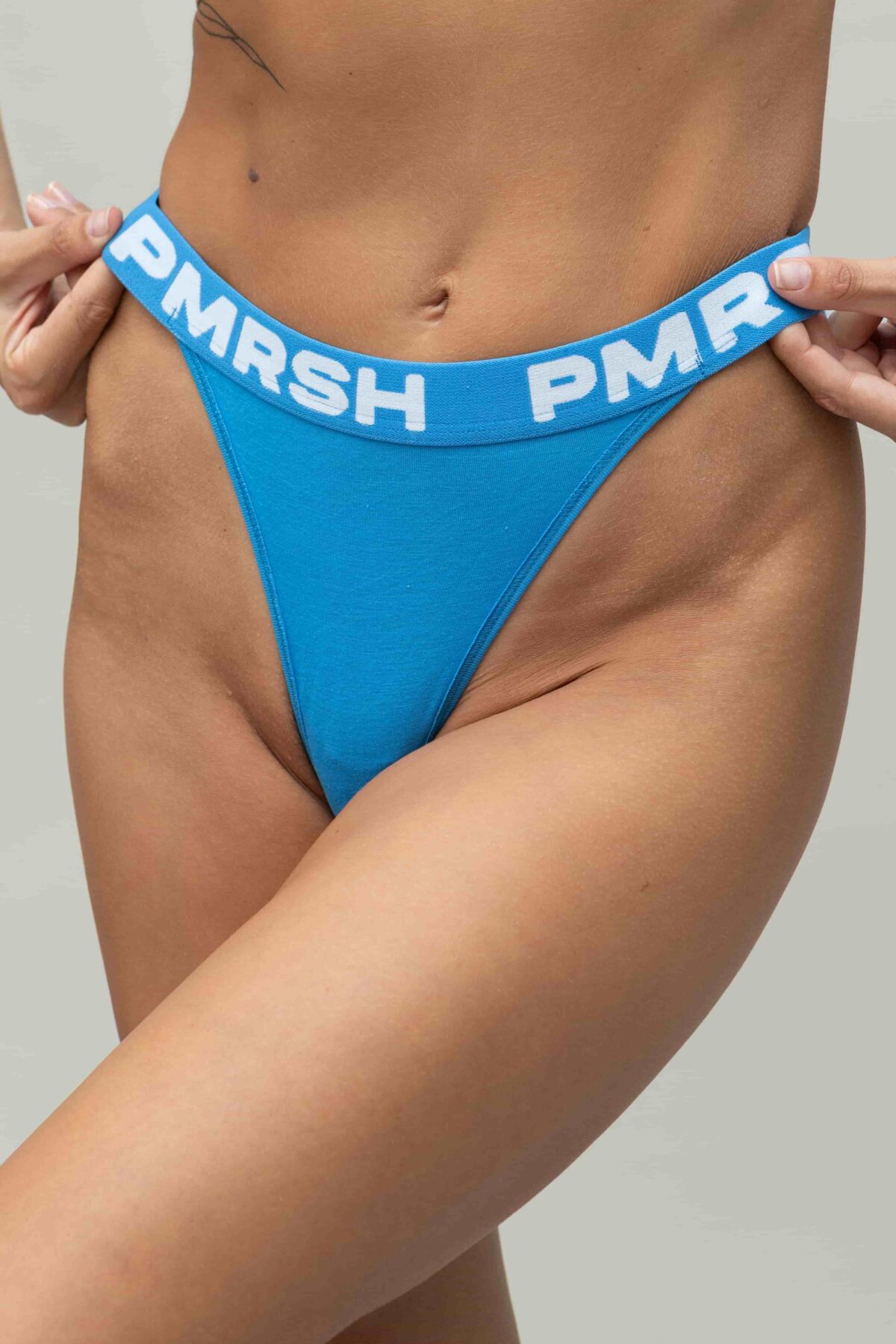
For people who have already had an allergic reaction to underwear, using mild and soothing gels for and around the intimate area and switching to bamboo underwear is considered the best solution, as those who have switched to this underwear say that they no longer have an allergic reaction.
When it is necessary to consult a doctor
If the allergic reaction to underwear does not go away even after changing clothes and hygiene habits, if it spreads, becomes painful or is accompanied by skin cracking and bleeding, consult a dermatologist immediately.
The doctor will assess whether it is an allergy, a combination of allergy and infection, or some other skin problem. Early diagnosis prevents hormonal changes in the skin and long-term complications.
The most frequently asked questions related to an allergic reaction
How do I recognize an allergic reaction to underwear?
What most often causes an allergic reaction to underwear?
How can I prevent an allergic reaction to underwear from happening again?
When should you see a doctor because of an allergic reaction to underwear?
Conclusion

By choosing the right materials and changing your habits, you prevent allergies
An allergic reaction to underwear is not a problem that should be ignored or solved only symptomatically. Timely recognition of signs, understanding the causes and changing habits are the keys to a permanent solution.
An allergic reaction to underwear is not a problem that should be ignored or solved only symptomatically. Timely recognition of signs, understanding the causes and changing habits are the keys to a permanent solution.
The most important message is that the body always makes a clear statement when something is wrong. When a reaction appears, it should be endured and tolerated, but understood as a signal that it is time for a change, both in the choice of clothes and in taking care of one’s own skin.