
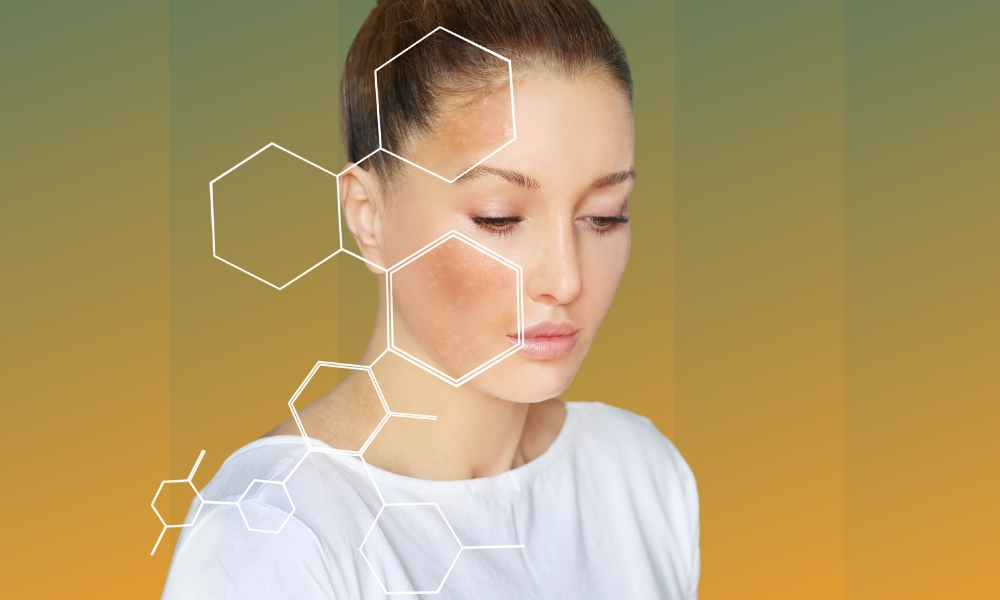
Sensitive skin doesn’t just react to cream, soap or the weather. It very often reacts to the fabric that touches it during the day and night.
When the material is not suitable, the skin can become red, dry, tight or itchy, and some people also develop rashes, eczema or inflammation.
That’s why the choice of bedding, towels, clothes and underwear is not a matter of taste, but part of daily care.
In this text, we will go through the materials that most often suit sensitive skin, with a special focus on bamboo as one of the most effective modern choices.
Contents
How materials affect the skin: basic criteria
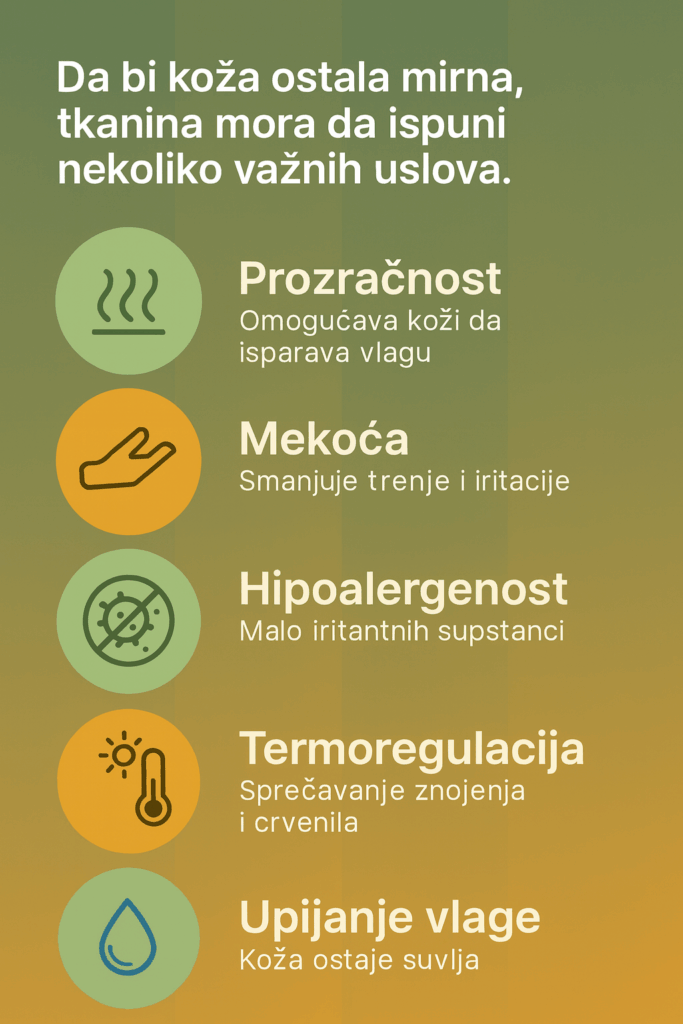
In order for the skin to remain calm, the fabric must meet several important conditions.
- The first is transparency. The breathable material allows the skin to evaporate moisture normally and not to overheat.
- Another criterion is the softness and surface structure of the fiber. Rough fabrics create more friction, and the friction creates micro-damage to the skin, which worsens the irritation.
- The third condition is hypoallergenicity, that is, as few potentially irritating substances as possible, either in the fiber, or in the color or finish.
- The fourth criterion is thermoregulation. The material that helps the body maintain a stable temperature prevents sweating and redness.
- And finally, the ability to absorb and release moisture is also important. Moisture trapped against the skin is often a trigger for itching and rashes.
Bamboo as the number one choice for sensitive skin
Šta je bambus vlakno i kako nastaje
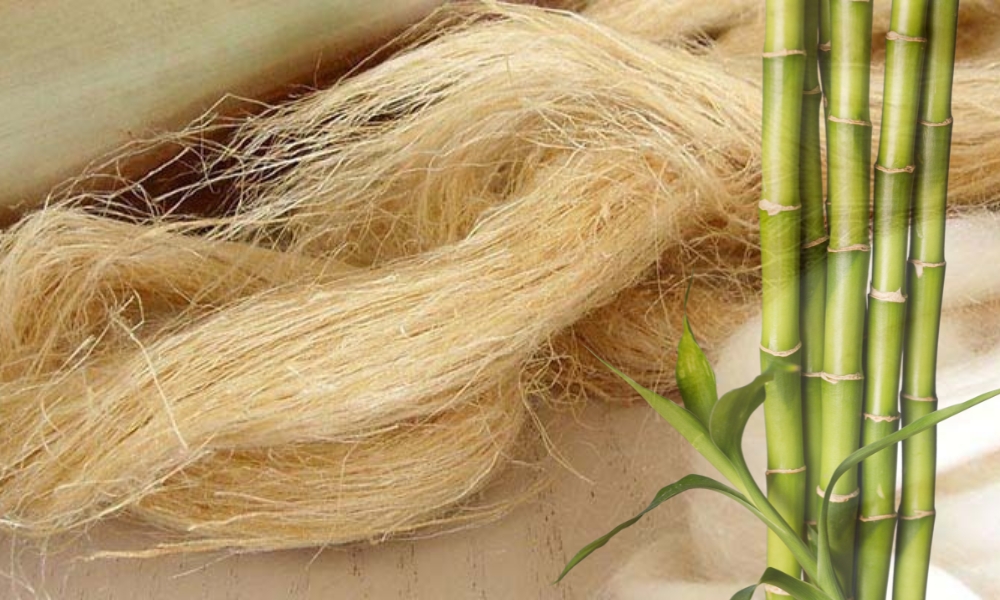
Naturally soft and breathable, bamboo fibers help the skin stay dry, calm and free of irritation
Bamboo fabrics are made from the cellulose of the bamboo plant. Bamboo viscose is most often sold, and bamboo lyocell is less common.
Both types are soft and comfortable, but lyocell is usually made in a process with less harsh chemicals.
For sensitive skin, this difference can be important, so it is good to look at the declaration and certificates.
Why bamboo reduces irritations
Bamboo is a naturally extremely smooth fiber. That smoothness means less friction between leather and fabric.
When there is no constant rubbing, the skin reddens less, peels less and reacts with itching less often.
This is why people with atopic dermatitis, eczema or a general tendency to irritation often feel an improvement when they switch to bamboo.
Breathability and moisture control
One of the biggest advantages of bamboo is its ability to absorb more moisture than cotton and at the same time release it quickly.
This helps to keep the surface of the skin dry. Less moisture means less conditions for the growth of bacteria and fungi, but also less sticky feeling that increases discomfort.
This is especially useful in the summer, during sleep, for people who sweat easily or have heat rash, as well as for people with the problem of increased sweating, i.e. hyperhidrosis.
Natural antibacterial properties
Bamboo contains natural components that slow down the growth of bacteria.
In the fabric, this contributes to hygiene and the reduction of unpleasant odors, but more importantly, it reduces the risk of bacteria on the surface of the skin causing inflammation.
With sensitive skin that burns easily, this can make a big difference in everyday comfort.
Thermoregulation throughout the year
Bamboo fabric gives a slightly cooler feeling in the summer, and retains a pleasant warmth in the winter without overheating.
Since the skin does not go through sudden changes in temperature and sweating is more moderate, irritations appear less often.
For whom bamboo is especially good
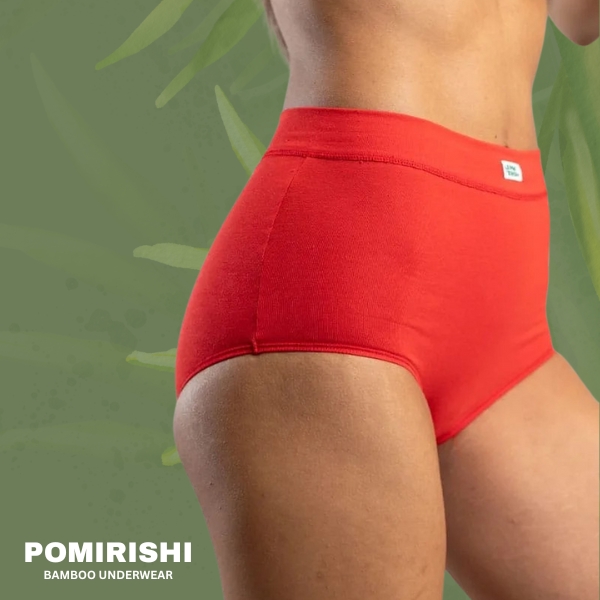
Bamboo is excellent for people with eczema, dermatitis, allergies, as well as for babies and children whose skin is naturally thinner and more reactive.
It is also a good choice for pregnant women, people who sweat a lot and anyone who has a problem with rashes in the folds or after physical activity.
Other materials that often suit sensitive skin
Cotton, but only high-quality and untreated
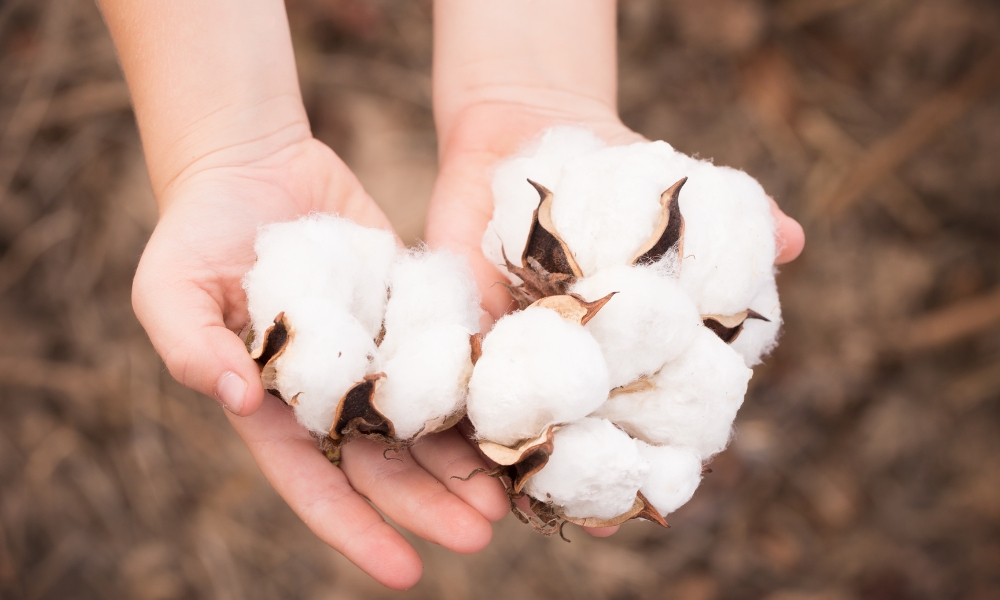
Cotton is natural and pleasant to the skin, but it is best for sensitive people when it is of good quality, soft and without aggressive chemical treatments.
Cotton is natural and generally safe, but the difference in quality is huge.
Soft cotton is pleasant to the skin, while coarse, cheap or heavily chemically treated cotton can cause irritation.
Organic cotton is a better option because it is grown with fewer pesticides and is usually treated more gently.
Modal and Tencel as close to bamboo
Modal and Tencel are vegetable fibers obtained from wood pulp. They are known for their softness and good breathability.
They wick away moisture well and often suit skin that reacts to classic synthetic fabrics.
In practice, they feel very close to bamboo, although bamboo often has a more pronounced antibacterial effect.
Silk for the most sensitive cases
Silk is extremely smooth and soft, so it reduces friction and soothes sensitive skin
Silk is very smooth and light, so it creates almost no friction. That is why it is a lifesaver for many people with severe skin conditions.
The disadvantage is that it is more expensive and requires careful maintenance, but as a material for pillowcases or pajamas it can be an excellent investment.
Linen as a good choice in summer
Linen is natural, very breathable and great for warm days. However, its texture may be too rough for some.
If linen bothers you, look for linen blends with bamboo or cotton, as they are softer.
Materials that sensitive skin often does not tolerate
Synthetics, especially polyester, acrylic and similar fibers, absorb moisture poorly and retain heat.
The sweat stays with the skin, it overheats and then the rash and itching escalate more easily.
Coarse wool is also often a nuisance as the fibers can sting and further irritate the skin.
Materials full of strong dyes, fabric softeners or fragrances can be a problem even when the base is natural.
How to recognize good material in practice
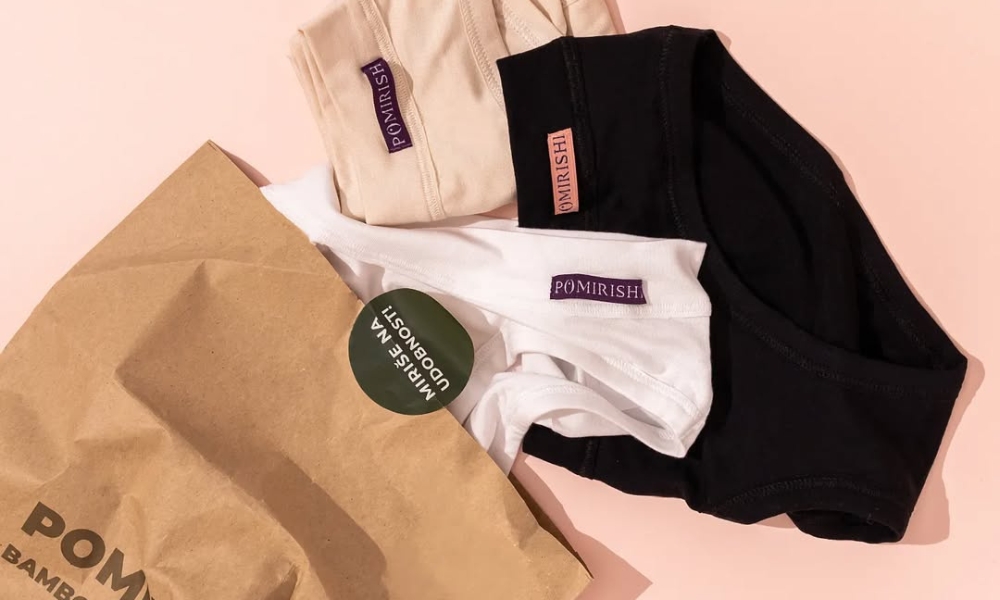
You will recognize a good material by the fact that it is smooth and soft to the touch, breathable and has the most natural composition on the label
The label looks for a high percentage of natural fibers and certificates such as Oeko Tex or GOTS. Touch is an important signal.
The fabric should be smooth, soft and not feel warm or sticky under the fingers.
With bedding, it’s useful to look at how thick the weave is and whether the material lets air in when you hold it up to the light.
Wash any new textile before use with a mild, fragrance-free detergent and avoid fabric softeners, as they are a frequent trigger of irritation.
Frequently asked questions
Is bamboo really good for sensitive skin?
Does bamboo help with eczema and dermatitis?
Which is better for sensitive skin, bamboo viscose or bamboo lyocell?
Does bamboo bedding help with night sweats and hyperhidrosis?
Can natural materials also irritate the skin?
Which materials are most often not recommended for sensitive skin?
How should I wash bamboo fabrics so that they do not lose their benefits?
Is bamboo a good choice for babies and toddlers?
Conclusion

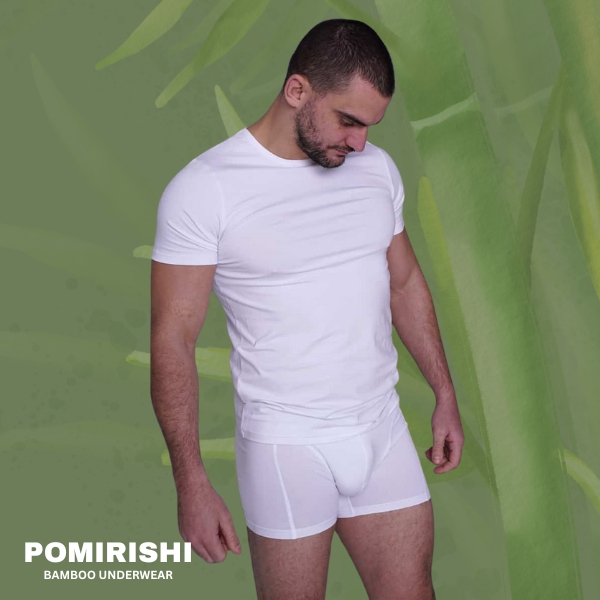
Bamboo underwear is the best choice because it is extremely soft, breathable and keeps the skin dry, thus reducing irritation
If you have sensitive skin, the most important thing is to choose fabrics that are soft, natural and breathable.
Bamboo stands out because it provides several key benefits in one fabric: it reduces friction, keeps the skin dry, has a mild antibacterial effect and helps the body maintain a comfortable temperature.
That is why it is often the best first choice when you want to soothe the skin and reduce irritations in everyday life.